Starting a Food Truck Business in NYC: Complete Guide
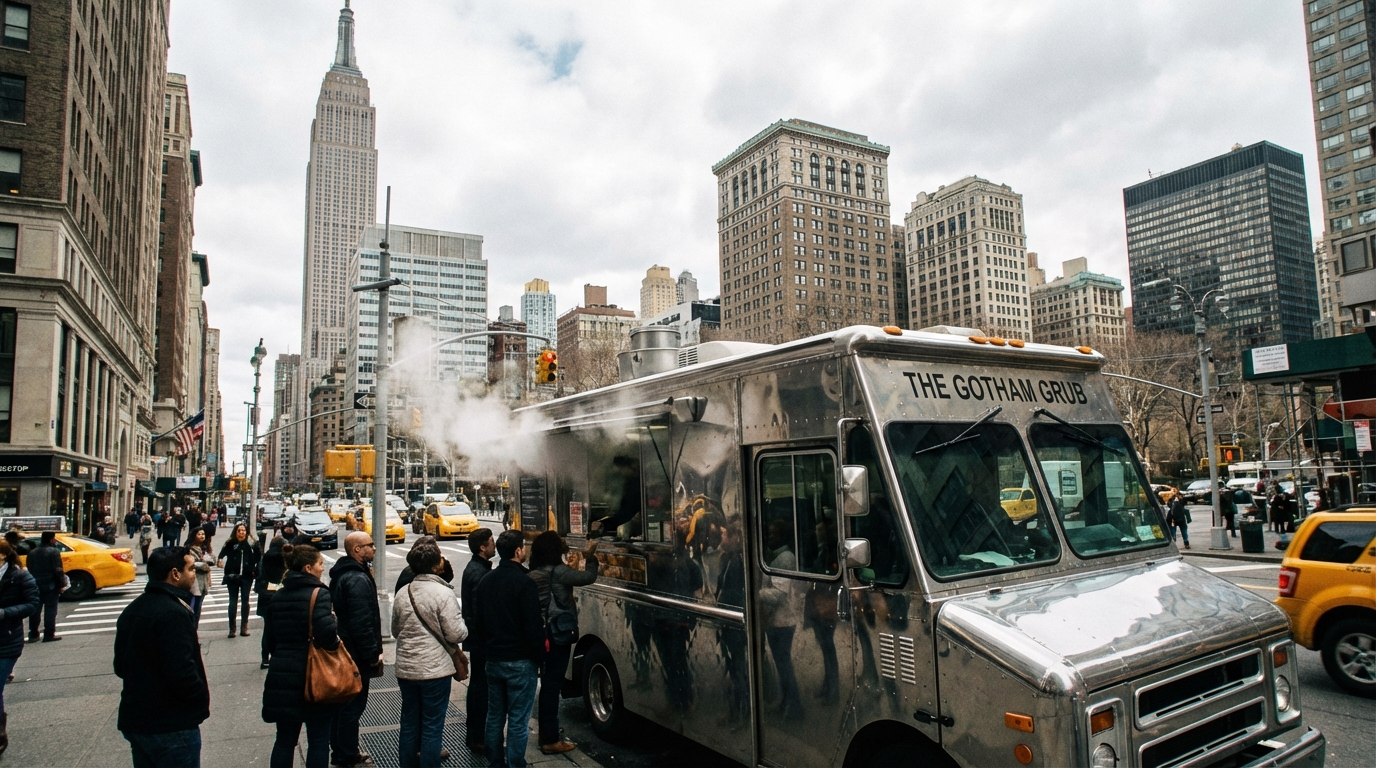
New York City's food truck scene is one of the most competitive and rewarding in the country. With millions of potential customers and a culture that embraces street food, NYC offers incredible opportunities for mobile food entrepreneurs. However, the path to success requires careful planning, substantial investment, and navigating one of the most complex permitting systems in the nation.
Why Start a Food Truck in NYC?
Massive Market Opportunity
- 8.3 million residents plus millions of tourists annually
- High foot traffic in business districts, parks, and tourist areas
- Food truck culture deeply embedded in NYC lifestyle
- Strong demand for diverse, quality street food
Lower Overhead Than Restaurants
- No long-term commercial lease required
- Smaller staff requirements
- Lower utility costs
- Flexibility to move to high-demand locations
Brand Building Platform
Many successful NYC restaurants started as food trucks:
- The Cinnamon Snail
- Korilla BBQ
- Schnitzel & Things (became brick-and-mortar)
- Wafels & Dinges
Event and Catering Opportunities
Beyond street vending:
- Corporate events and office parks
- Weddings and private parties
- Festivals and special events
- Film production catering
The Reality Check: Challenges and Costs
High Competition
- Over 5,000 active mobile food vendors in NYC
- Limited prime locations
- Fierce competition for permits
- Saturated markets in popular areas
Regulatory Complexity
NYC has some of the strictest food truck regulations:
- Multiple permits and licenses required
- Complex health code compliance
- Strict parking and vending rules
- Ongoing enforcement and fines
Significant Startup Investment
Realistic Budget: $60,000-$150,000
Breaking down startup costs:
- Food truck purchase/build: $40,000-$100,000
- Permits and licenses: $5,000-$25,000
- Initial inventory and supplies: $3,000-$8,000
- Insurance: $2,000-$5,000 annually
- Commissary deposit: $1,000-$3,000
- Marketing and branding: $2,000-$5,000
- Working capital reserve: $7,000-$15,000
Step-by-Step Guide to Starting Your NYC Food Truck
Step 1: Develop Your Concept (Month 1)
Choose Your Niche
Research current market gaps:
- Underserved cuisines
- Dietary niches (vegan, gluten-free, keto)
- Fusion concepts
- Regional American specialties
- International street food
Successful NYC Food Truck Niches:
- Artisan coffee and specialty drinks
- Authentic ethnic cuisine
- Gourmet sandwiches and burgers
- Health-conscious bowls and salads
- Premium desserts and ice cream
- Breakfast and brunch items
Concept Development Checklist:
- Unique selling proposition defined
- Target customer profile created
- Menu concept (8-12 core items max)
- Price point strategy ($8-$15 average)
- Brand name and story
- Visual identity concept
Research Phase:
- Visit 20+ successful food trucks
- Eat at your competitors
- Talk to other food truck owners
- Join NYC food truck Facebook groups
- Attend Street Vendor Project workshops
Step 2: Create a Business Plan (Month 2)
Essential Components:
Executive Summary
- Business concept
- Target market
- Competitive advantage
- Financial projections summary
Market Analysis
- Target customer demographics
- Location strategy
- Competitor analysis
- Market size and growth
Operations Plan
- Daily operations schedule
- Staffing requirements
- Supplier relationships
- Commissary arrangements
Financial Projections
- Startup costs breakdown
- Monthly operating expenses
- Revenue projections (conservative)
- Break-even analysis
- 3-year financial forecast
Sample Monthly Operating Costs (after startup):
- Commissary rental: $800-$1,500
- Parking/permits: $400-$800
- Fuel: $600-$1,000
- Insurance: $200-$400
- Food costs (30-35% of revenue): $6,000-$12,000
- Labor: $4,000-$8,000
- Marketing: $300-$600
- Maintenance/repairs: $300-$600
- Miscellaneous: $400-$800
Total Monthly: $13,000-$26,000
Step 3: Secure Funding (Month 2-3)
Funding Options:
Personal Savings
- Least expensive (no interest)
- Maintains full ownership
- Requires substantial savings
Small Business Loans
- SBA 7(a) loans (up to $5 million)
- Microloans ($500-$50,000)
- Equipment financing
- Requires good credit, business plan
Alternative Financing
- Crowdfunding (Kickstarter, Indiegogo)
- Friends and family investment
- Angel investors
- Food business incubators
NYC-Specific Resources:
- NYC Small Business Services (free consulting)
- Street Vendor Project (advocacy and resources)
- NYC Business Solutions (workshops and support)
- Food-X accelerator program
Step 4: Navigate NYC Permits and Licenses (Month 3-6)
Critical Reality: This is the most challenging and time-consuming step. Plan for 3-6 months minimum.
Required Permits and Licenses:
1. Mobile Food Vending License (Individual)
- Issued by: NYC Department of Health (DOHMH)
- Cost: $50 (2-year renewal)
- Requirements:
- Food Protection Course certificate
- Pass health inspection
- No recent felony convictions
- Timeline: 2-4 weeks after application
2. Mobile Food Vending Permit (for the truck)
- Issued by: DOHMH
- The Challenge: Only ~5,000 permits exist, none issued since 1983
- Options:
- Purchase/lease from current holder ($15,000-$25,000/year lease)
- Join waiting list (over 10 years wait)
- Operate at permitted events only (no street vending)
3. Business License
- Issued by: NYC Department of Consumer Affairs
- Required for business operation
- Part of general business formation
4. Food Service Establishment Permit (for commissary)
- Your truck must be based at licensed commissary
- Cannot prepare food at home
- Commissary handles waste, water, storage
5. Vehicle Permits
- Commercial vehicle registration
- DOT inspection
- Vehicle insurance
6. Special Event Permits (if vending at events)
- Per-event permits from Parks Department
- Festival and fair permits
- Private event agreements
Permit Alternatives:
Food Truck Pod/Lot
- Vend from designated private lots
- Pay rent to property owner
- No street vending permit needed
- Examples: Brooklyn Night Bazaar, Smorgasburg
Event-Only Operation
- Focus on private events, corporate catering
- Apply for specific event permits
- Partner with venues and planners
- Register on Fleet Feast for bookings!
Commissary and Cart Share
- Some commissaries offer permitted carts
- Rent space in existing permitted operation
- Lower startup costs
Step 5: Acquire and Build Your Food Truck (Month 4-6)
Truck Options:
Option 1: Buy Used Food Truck ($40,000-$70,000)
- Pros: Lower cost, faster to operate, equipment included
- Cons: Potential hidden issues, outdated equipment, may need retrofitting
- Where to buy: Roaming Hunger, UsedVending.com, Craigslist (carefully!)
Option 2: Buy New Food Truck ($80,000-$120,000)
- Pros: Warranty, custom build, modern equipment, reliability
- Cons: Higher cost, longer build time (3-6 months)
- Builders: Apex Specialty Vehicles, Custom Concessions, M&R Specialty Trailers
Option 3: Retrofit a Step Van ($50,000-$90,000)
- Pros: Customization, potentially cheaper, unique design
- Cons: Time-intensive, requires contractor coordination
- Popular models: Chevy P30, Grumman Olson, Ford E-Series
Essential Equipment:
- Commercial-grade cooking equipment (griddle, fryer, oven, etc.)
- Refrigeration (reach-in coolers, freezer)
- Food prep surfaces (stainless steel)
- Three-compartment sink (required by DOHMH)
- Hand wash sink
- Generator or shore power hookup
- Fire suppression system (required)
- Ventilation hood
- Water tanks (fresh and grey water)
- Point-of-sale system
- Menu boards and signage
NYC-Specific Requirements:
- Vehicle height under 13'6" (for bridges/tunnels)
- Proper ventilation and fire suppression
- Meets DOHMH mobile food unit specifications
- DOT inspection compliant
Step 6: Find a Commissary (Month 5)
What is a Commissary? A licensed commercial kitchen where you:
- Store your truck overnight
- Prep food
- Store inventory
- Dispose of waste water
- Access water and power
NYC is legally required - you cannot operate without one.
Commissary Costs:
- Monthly rental: $800-$1,500
- Security deposit: $1,000-$3,000
- Utilities: Usually included
- Storage fees: May be additional
What to Look For:
- Convenient location to your vending areas
- Adequate prep space and storage
- Reliable utilities and waste disposal
- Secure overnight parking
- Flexible access hours (early morning essential)
- Good relationship with other vendors
- Clean facility with proper licensing
NYC Commissary Resources:
- Union Square Hospitality Group commissary
- Pilotworks Brooklyn
- The Cook's Nook
- 3rd Ward
- LIC Commissary Kitchen
Step 7: Develop Your Menu and Source Suppliers (Month 5-6)
Menu Best Practices:
Keep It Focused
- 8-12 core menu items maximum
- One cuisine/concept
- Items that travel well
- Quick preparation times (3-5 minutes)
Price Strategy
- Research competitor pricing
- Calculate food cost percentage (target 28-35%)
- Account for waste and theft (3-5%)
- Price high enough for profit margin
Sample Pricing Calculation:
- Dish: Gourmet burger with fries
- Food cost: $3.50
- Target food cost %: 30%
- Selling price: $3.50 ÷ 0.30 = $11.67
- Menu price: $12
Menu Engineering:
- Identify signature/hero items
- Offer profitable sides and add-ons
- Create daily specials for variety
- Seasonal menu rotations
Sourcing Strategy:
Restaurant Depot
- Membership warehouse for food service
- Competitive pricing
- NYC locations in Bronx, Queens, Brooklyn
Local Suppliers
- Sysco, US Foods for broader selection
- Specialty suppliers for unique items
- Farmers markets for fresh produce
- Establish credit accounts
Inventory Management:
- Par levels for daily inventory
- First-in, first-out (FIFO) rotation
- Daily inventory counts
- Minimize waste through careful ordering
Step 8: Branding and Marketing (Month 6)
Visual Identity:
- Logo design ($300-$2,000)
- Truck wrap design and installation ($3,000-$8,000)
- Menu board design
- Social media graphics
- Business cards and promotional materials
Digital Presence:
- Website with menu and location updates
- Instagram (most important for food trucks)
- Facebook business page
- Twitter for real-time location updates
- Google My Business listing
Social Media Strategy:
- Post daily location and hours
- Beautiful food photography
- Behind-the-scenes content
- Customer features and testimonials
- Promotions and specials
- Engage with followers
Traditional Marketing:
- Flyers in target neighborhoods
- Partnerships with local businesses
- Food blogger outreach
- Local media pitches
- Grand opening event
Fleet Feast Vendor Profile:
- Create comprehensive profile
- Upload high-quality photos
- List all services and cuisines
- Gather customer reviews
- Accept event bookings
Step 9: Hire and Train Staff (Month 6-7)
Staffing Needs:
Solo Operation (starting out)
- You handle everything
- Lower costs but exhausting
- Limited hours of operation
- Difficult to scale
Two-Person Team (recommended)
- One cooks, one handles orders/POS
- Much more efficient service
- Ability to handle lunch rush
- Shared responsibilities
Larger Team (established operation)
- 3+ staff for busy locations/events
- Dedicated cook, cashier, prep person
- Allows for longer hours and multiple shifts
Hiring Considerations:
- NYC minimum wage: $15/hour (as of 2024)
- Food handler certification required
- Reliable transportation to commissary
- Flexibility with hours and weather
- Positive customer service attitude
Training Topics:
- Food safety and hygiene
- Menu knowledge
- POS system operation
- Customer service standards
- Opening and closing procedures
- Emergency protocols
Step 10: Launch and Iterate (Month 7+)
Soft Launch Strategy:
- Start with friends and family event
- Invite food bloggers and influencers
- Test all systems (POS, equipment, workflow)
- Refine menu based on feedback
- Work out operational kinks
Grand Opening:
- Heavy social media promotion
- Special opening day pricing or freebies
- Local press outreach
- Influencer invites
- Create excitement and buzz
First Month Focus:
- Establish routine locations and schedule
- Build customer base
- Gather feedback constantly
- Refine operations daily
- Track all metrics
Key Metrics to Track:
- Daily revenue
- Average transaction value
- Customer count
- Food cost percentage
- Labor cost percentage
- Popular menu items vs. slow sellers
- Customer feedback and reviews
- Social media engagement
Location Strategy: Where to Vend
High-Traffic Areas (competitive):
- Midtown Manhattan business district
- Financial District
- Union Square area
- Columbus Circle
- Brooklyn Heights
Emerging Areas (less competition):
- Long Island City
- Bushwick/East Williamsburg
- Astoria
- Gowanus
- Greenpoint
Event Opportunities:
- Madison Square Park
- Brooklyn Flea
- Smorgasburg
- Street fairs and festivals
- Corporate office parks
- College campuses
Legal Vending Rules:
- Cannot vend within 20 feet of building entrance/exit
- Must be 10+ feet from crosswalk
- Cannot block sidewalk, fire hydrant, bus stop
- No vending in parks without permit
- Respect business improvement district rules
Location Scouting:
- Visit potential spots at different times
- Observe foot traffic patterns
- Talk to nearby businesses
- Test locations and track results
- Build relationships with property owners
Common Mistakes to Avoid
1. Underestimating Startup Costs
Many new owners budget $50K and need $100K. Build in 30-50% buffer.
2. Skipping Market Research
Assuming your food will sell without validating demand is risky. Test at events first.
3. Overcomplicating the Menu
Too many items slow service, increase food costs, and confuse customers.
4. Poor Financial Management
Not tracking expenses and revenue daily leads to cash flow problems quickly.
5. Ignoring Regulations
One violation can shut you down. Stay current on all rules and maintain compliance.
6. Choosing the Wrong Location
High rent doesn't equal high sales. Research and test locations carefully.
7. Inadequate Marketing
"If you build it, they will come" doesn't work. Invest in marketing from day one.
8. Not Joining the Community
Network with other food truck owners. Join associations, attend events, build relationships.
Resources for NYC Food Truck Owners
Organizations:
- New York City Food Truck Association
- Street Vendor Project (advocacy)
- NYC Hospitality Alliance
Government Resources:
- NYC Small Business Services
- NYC Department of Health (DOHMH)
- NYC Department of Consumer Affairs
Online Communities:
- NYC Food Trucks Facebook group
- Reddit r/FoodTruckOwners
- Roaming Hunger blog
Educational:
- Hot Bread Kitchen (culinary incubator)
- Food-X (accelerator program)
- Street Vendor Project workshops
Conclusion
Starting a food truck business in NYC is challenging but achievable with proper planning, adequate funding, and determination. The permit situation is the biggest hurdle, but focusing on events, private catering, and creative vending arrangements can still lead to success.
Your journey will require resilience, adaptability, and passion for your concept. But for those who succeed, NYC offers one of the most rewarding food truck markets in the world.
Ready to take the plunge? Start planning today, and when you're ready to expand into event catering, join Fleet Feast as a vendor to connect with customers looking for amazing food trucks!
About the Author: Tony Martinez is a food truck entrepreneur who has owned and operated three successful food trucks in NYC over the past 8 years. He now consults with aspiring food truck owners and helps them navigate the complex NYC startup process.