How to Plan a Corporate Event with Food Trucks
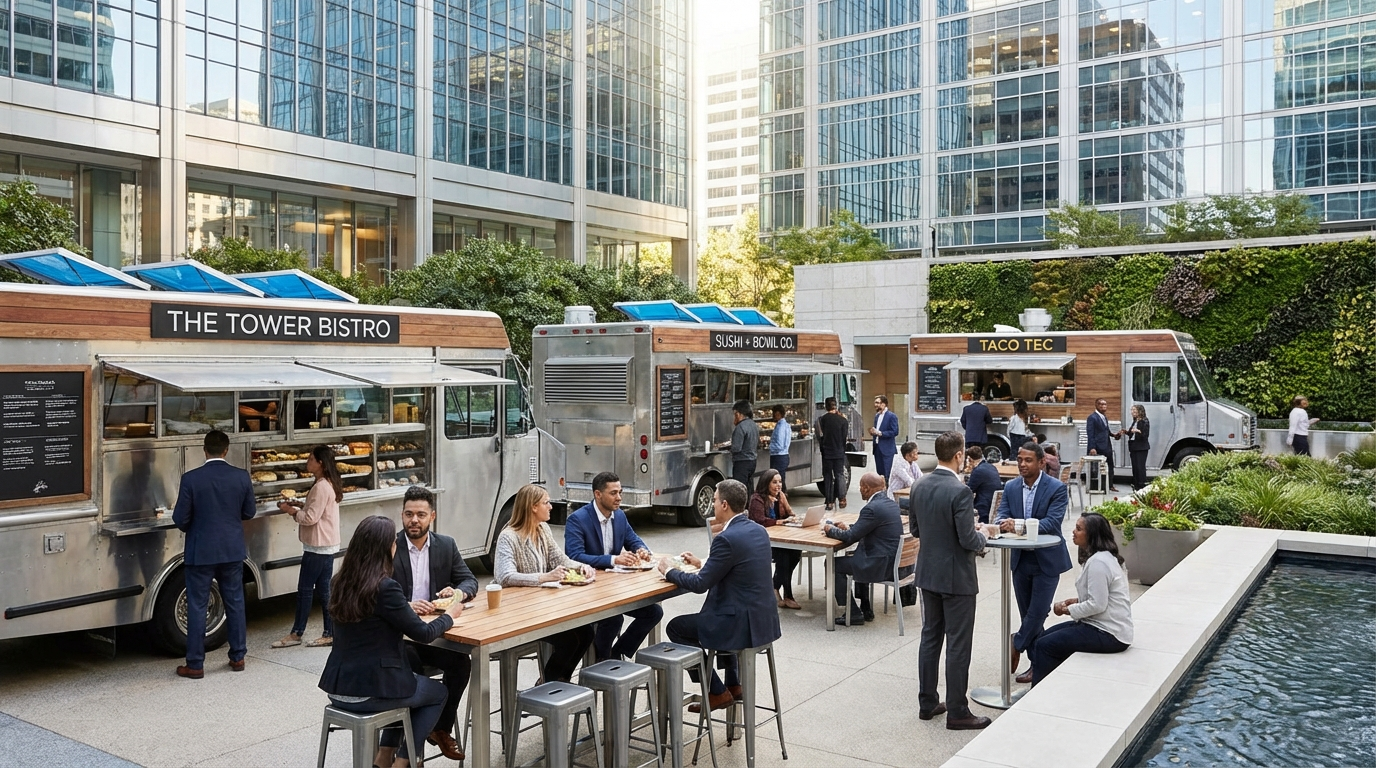
Corporate events are evolving, and food trucks have become a popular choice for companies looking to create memorable experiences for their teams. Whether you're planning a company picnic, team building event, or office celebration, food trucks offer a unique and engaging catering solution.
Why Food Trucks Work for Corporate Events
Professional Yet Fun
Food trucks strike the perfect balance between professional service and a relaxed atmosphere. They show employees you value creativity while maintaining corporate standards.
Budget-Friendly Scalability
From 50 to 500 employees, food trucks scale efficiently. You only pay for what you need, making them more cost-effective than traditional catering for many event sizes.
Team Building Benefits
The casual setting encourages cross-departmental mingling. Employees bond over food choices and the shared experience of trying new cuisines.
Flexibility for Various Event Types
Perfect for:
- Employee appreciation days
- Holiday parties
- Team building events
- Product launches
- Client appreciation events
- Summer picnics
- Quarterly celebrations
Step-by-Step Planning Guide
Step 1: Define Your Event Goals (Week 12)
Determine Event Purpose
- Celebrating achievements?
- Building team morale?
- Client entertainment?
- New hire orientation?
Set Success Metrics
- Employee attendance targets
- Engagement levels
- Budget adherence
- Feedback scores
Establish Budget Parameters Calculate costs including:
- Food truck fees
- Venue rental
- Entertainment
- Activities
- Promotional materials
Step 2: Get Stakeholder Buy-In (Week 11)
Present to Leadership Create a proposal including:
- Cost comparison with traditional catering
- Employee engagement benefits
- Logistics overview
- Risk mitigation plan
Build Your Team Identify key helpers:
- Event coordinator (lead)
- Finance approver
- Facilities contact
- Communications lead
- Volunteer coordinators
Step 3: Choose the Right Date and Location (Week 10)
Optimal Timing Consider:
- Avoiding quarter-end busy periods
- Weather conditions (spring/fall ideal)
- Avoiding conflicting company events
- Peak business season considerations
Venue Requirements Your location needs:
- Level parking for trucks
- Power access (or space for generators)
- Adequate guest parking
- Restroom facilities
- Shelter options for inclement weather
- Proper lighting for evening events
Step 4: Research and Select Food Trucks (Weeks 8-9)
Diversity Matters Choose 2-3 trucks offering:
- Different cuisine types
- Vegetarian/vegan options
- Allergy-friendly choices
- Various price points
Vetting Process Verify each truck has:
- Required licenses and permits
- Liability insurance
- Positive reviews and ratings
- Professional communication
- Experience with corporate events
Pro Tip: Use Fleet Feast's search filters to find corporate-friendly vendors with experience serving business events.
Step 5: Budget Planning (Week 8)
Typical Corporate Event Budget Breakdown
For 100 employees:
- Food trucks (3 trucks): $1,500-$2,500
- Venue/space: $0-$500
- Entertainment: $300-$800
- Drinks/beverages: $200-$400
- Activities/games: $200-$500
- Decorations: $100-$300
- Contingency (10%): $220-$450
Total: $2,520-$5,450 ($25-$55 per person)
Money-Saving Tips
- Host during lunch hours (cheaper than dinner)
- Limit alcohol to beer/wine only
- Choose weekday events (better pricing)
- Use office space instead of renting venue
- DIY decorations with company branding
Step 6: Contract Negotiations (Week 7)
Key Contract Points
- Final headcount deadline
- Cancellation policy
- Weather contingency plan
- Setup and breakdown times
- Power requirements
- Payment terms
- Insurance requirements
Red Flags to Watch For
- No written contract
- Vague cancellation terms
- Excessive deposit requirements (>50%)
- No insurance documentation
- Unwillingness to accommodate dietary needs
Step 7: Logistics Planning (Weeks 5-6)
Create Event Timeline
11:00 AM - Trucks arrive, begin setup 11:30 AM - Staff arrival, final checks 12:00 PM - Employees start arriving 12:15 PM - Welcome announcement 12:20 PM - Food service begins 1:30 PM - Activities/entertainment 2:30 PM - Wrap-up, raffles, thank you 3:00 PM - Event ends 3:30 PM - Trucks depart
Site Layout Planning
- Position trucks with adequate spacing
- Create clear queueing areas
- Set up seating zones (cocktail tables, picnic areas)
- Designate trash/recycling stations
- Plan registration/check-in area
- Create signage for directions
Step 8: Internal Communications (Weeks 4-5)
Initial Announcement (5 weeks out)
- Save the date
- Event theme/purpose
- Expected food truck vendors
- RSVP requirements
Reminder Communications (2 weeks out)
- Detailed schedule
- Parking information
- What to bring
- Weather updates
- Dietary accommodation process
Final Reminder (3 days out)
- Exact location and parking
- Updated weather forecast
- Final schedule
- Contact information for questions
Step 9: Manage Dietary Requirements (Week 4)
Collection Process
- Include in RSVP form
- Follow up with HR records
- Contact individuals with complex needs
- Share summary with food trucks
Common Accommodations
- Vegetarian/vegan
- Gluten-free
- Nut allergies
- Halal/Kosher
- Dairy-free
- Low-sodium
Pro Tip: Create small "Dietary Accommodations" signs at each truck showing what options they offer.
Step 10: Day-of-Event Execution
Setup Checklist (2 hours before)
- Truck arrival and positioning
- Power/utilities connected
- Tables and seating arranged
- Signage posted
- Registration area ready
- Beverages stocked
- Activities/games set up
- Music/entertainment tested
- Staff briefed
During Event
- Welcome speech (brief!)
- Monitor food lines
- Manage crowd flow
- Address issues immediately
- Capture photos/videos
- Encourage social sharing
- Facilitate networking
- Gather informal feedback
Wrap-Up Checklist
- Thank you announcement
- Raffle/prizes if planned
- Clean-up coordination
- Vendor payment verification
- Equipment return
- Thank vendors personally
Step 11: Post-Event Follow-Up (Week After)
Immediate Actions
- Send thank you email to attendees
- Process vendor payments
- Share event photos
- Post on company social media
Feedback Collection Create short survey asking:
- Overall satisfaction (1-10)
- Food quality rating
- Favorite food truck
- Suggestions for improvement
- Interest in similar future events
Vendor Review Leave reviews for trucks on Fleet Feast to help other corporate planners.
Document Lessons Learned Note for next time:
- What worked well
- What to improve
- Vendor performance
- Budget accuracy
- Attendance patterns
Common Corporate Event Challenges (and Solutions)
Challenge 1: Weather Uncertainty
Solution:
- Book tents or canopy rentals
- Have indoor backup location
- Check forecast 48 hours prior
- Communicate backup plan clearly
Challenge 2: Dietary Restrictions
Solution:
- Survey employees in advance
- Choose diverse truck options
- Label all menu items clearly
- Have pre-arranged special meals if needed
Challenge 3: Long Wait Times
Solution:
- Book multiple trucks for large groups
- Stagger lunch times by department
- Provide appetizers and drinks while waiting
- Set up games or activities to entertain
Challenge 4: Budget Constraints
Solution:
- Subsidize partial meal cost
- Host during lunch (cheaper than dinner)
- Choose food trucks with lower minimums
- Combine with other monthly events
Challenge 5: Low Attendance
Solution:
- Build excitement with teasers
- Offer incentives (raffle, prizes)
- Make it during work hours
- Get executive buy-in and attendance
Corporate Event Best Practices
1. Start Planning Early
Begin 3 months ahead for large events, 6 weeks minimum for smaller gatherings.
2. Over-Communicate
Send multiple reminders and make information easily accessible on company intranet.
3. Brand the Experience
Use company colors, create custom signage, incorporate company values into activities.
4. Make It Instagram-Worthy
Create photo opportunities, use branded hashtags, encourage social sharing.
5. Measure ROI
Track engagement metrics, employee satisfaction, and compare costs to traditional catering.
6. Build on Success
If successful, make it a recurring event (quarterly, bi-annual) to build tradition.
Conclusion
Food truck corporate events offer an excellent opportunity to boost morale, encourage networking, and show appreciation for your team. With proper planning and attention to detail, your event will be a memorable success that employees talk about for months.
Ready to start planning? Search for corporate-friendly food trucks on Fleet Feast today!
About the Author: Michael Chen is a corporate event specialist with 15 years of experience planning events for Fortune 500 companies. He's successfully coordinated over 150 food truck corporate events ranging from 50 to 5,000 attendees.